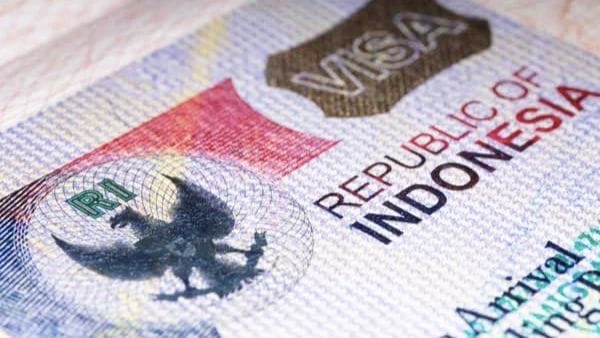
In recent years, Bali has become one of the most popular destinations for tourists, remote workers, expatriates, and business travelers from around the world. As visitor numbers continue to grow, so does the need for clear and reliable information on Indonesian visa options, especially because each type of visitor has different goals and lengths of stay.
Understanding the available visa categories is essential to ensure a legal and compliant stay. Many newcomers are unsure which visa best fits their situation, whether it is a Visa on Arrival, a business visa, or a long-stay permit such as a KITAS or the Second Home Visa.
Overview of Indonesia’s Visa System
Indonesia’s visa framework is divided into several main categories, each designed to match different travel purposes and lengths of stay. For most international visitors, the system can be grouped into three key segments: Visit Visas, Limited Stay Permits (KITAS), and Permanent Stay Permits (KITAP).
- Visit Visas cover a range of short-term entry permits, including tourism, non-work business activities, and certain social visits. These visas generally offer shorter stays and come with simpler application procedures.
- Limited Stay Permits (KITAS) are intended for visitors who plan to stay longer in Indonesia for specific purposes such as employment, investment, study, or family reunification. KITAS offers extended validity and usually requires a sponsor or authorized supporting entity.
- Permanent Stay Permits (KITAP) are long-term residency permits granted to eligible KITAS holders after meeting the required period and conditions of stay.
Tourist Visa
Tourist visas are the most commonly used entry permits for visitors coming to Indonesia for holidays, short trips, or other non-business activities. Indonesia offers several tourist visa options that cater to different travel needs, particularly in terms of length of stay and travel planning.
1. Visa on Arrival (VoA)
The Visa on Arrival is the most convenient option for nationals from eligible countries. Its key features include:
- An initial 30-day stay.
- One possible extension for an additional 30 days.
- Not valid for work or any commercial activities.
The VoA is ideal for travelers who want a flexible, short-term visit without having to apply for a visa before departure. The process can be completed at designated airports or seaports, or online through the e-VoA system.
2. Tourist Visit Visa (B1) / Tourist e-Visa
This visa must be obtained before arrival and is available as an electronic visa.
Its main advantages include:
- A longer allowable stay compared to the VoA (subject to policy).
- Convenience for travelers who prefer securing their visa ahead of time.
The Tourist Visit Visa is often chosen by visitors who plan to stay longer or want more certainty with their travel arrangements.
3. Visa-Free Entry
Indonesia occasionally grants visa-free entry to certain nationalities, though this policy may change depending on government regulations.
When active, this facility allows eligible travelers to enter Indonesia without a VoA or e-Visa for short, non-commercial visits.
Business Visa
Business visas are intended for visitors entering Indonesia for non-work professional activities such as meetings, seminars, negotiations, or market surveys. These visas do not permit employment or income-generating activities inside Indonesia but offer flexibility for business travelers who require short-term mobility.
1. Single-Entry Business Visa (B211A)
The Single-Entry Business Visa is one of the most commonly used visit visas for business-related purposes. Its main features include:
- Valid for one entry only.
- An initial stay period of around 60 days.
- Possible extensions depending on current regulations.
- Suitable for business meetings, client visits, site surveys, non-work training, and similar activities.
This visa is ideal for professionals or companies sending staff for short business visits without engaging in formal employment in Indonesia.
2. Multiple-Entry Business Visa
The Multiple-Entry Business Visa is designed for business travelers who frequently enter Indonesia. Key features include:
- Valid for up to 1 year.
- Allows unlimited entries during the validity period.
- Each visit permits a stay of up to 60 days.
This visa is particularly useful for regional executives, consultants, and investors who require repeated access to Indonesia without the need to reapply for a visa each time they travel.
Long-Stay Visa

Long-stay visas and residence permits are intended for international visitors who plan to remain in Indonesia for extended periods. Reasons for staying may include employment, investment, study, or family residence. The main options in this category include the KITAS, KITAP, and Second Home Visa.
1. KITAS (Limited Stay Permit)
The KITAS is a temporary residence permit granted to foreign nationals for specific purposes. Each type of KITAS has its own requirements and conditions.
Common KITAS types include:
- Work KITAS: For foreign employees officially hired by Indonesian companies.
- Investor KITAS: For shareholders or investors who meet the required investment thresholds.
- Family KITAS: For spouses or family members of Indonesian citizens or KITAS/KITAP holders.
- Student KITAS: For students enrolled in educational programs in Indonesia.
- Special Activity KITAS: For certain non-work activities allowed under current regulations.
The KITAS is typically valid for 6–12 months and can be extended. Most categories require a sponsor, such as a company, educational institution, or spouse.
2. KITAP (Permanent Stay Permit)
The KITAP is a long-term residence permit granted to eligible KITAS holders after meeting specific duration and residency requirements.
Key features include:
- Valid for 5 years and renewable.
- Offers greater stability for expatriates or spouses of Indonesian citizens.
The KITAP is commonly obtained by holders of family, investor, or certain employment-based KITAS after several years of legal residency.
3. Second Home Visa
The Second Home Visa is designed for high-net-worth individuals such as retirees, long-term expatriates, or independent professionals who wish to reside in Indonesia.
Its main characteristics include:
- Valid for 5 or 10 years.
- Requires proof of funds or assets as determined by government regulations.
- Does not permit income-generating work in Indonesia unless additional permits are obtained.
This visa provides flexibility for those who want to make Indonesia their long-term residence without falling under work or family categories.
Visa for Digital Nomads & Remote Workers
Indonesia has become a popular destination for digital nomads and remote workers due to its affordable cost of living, improving internet connectivity, and strong international communities in hubs like Bali, Jakarta, and other emerging cities. However, many newcomers misunderstand the visa rules for working remotely from Indonesia.
At present, Indonesia does not offer a dedicated “Digital Nomad Visa.” Still, several existing visa options allow foreign nationals to stay legally in the country while working for clients or companies based abroad.
1. B211A (Business / Social Visit Visa)
The B211A visa is commonly chosen by remote workers whose professional activities are conducted entirely outside Indonesia.
Key characteristics include:
- Not permitted for work with Indonesian companies.
- Allows mid-term stays with possible extensions.
- Suitable for remote professionals who only need a temporary base while performing online, non-commercial activities within Indonesia.
2. Second Home Visa
The Second Home Visa is an attractive long-stay option for independent professionals, international freelancers, or retirees.
Its main advantages include:
- Long validity (5 or 10 years).
- Financial or asset requirements as set by the government.
- Does not permit employment in Indonesia, but allows remote work for overseas clients as long as it does not involve the Indonesian market.
3. Certain Types of KITAS
Some digital nomads may qualify for a KITAS depending on their circumstances, such as:
- Investor KITAS (if meeting the required shareholding or investment threshold).
- Family KITAS (if married to an Indonesian citizen).
- Special Activity KITAS (depending on regulatory updates).
These options vary significantly based on individual eligibility and sponsorship requirements.
4. Compliance and Limitations
While working remotely from Indonesia can be allowed under certain contexts, it is important to understand the limitations:
- No income may be earned from Indonesian companies without a proper work permit.
- No activities may be conducted that are considered part of the local labor market.
- Travelers must stay updated with the latest immigration policies.
Choosing the right visa is essential for digital nomads to avoid violations that could impact their immigration status or future entry into Indonesia.
How to Apply for an Indonesian Visa
Indonesia’s visa application process has become much more streamlined with the introduction of the government’s online system. Most visa categories can now be applied for digitally, without requiring a visit to an embassy or consulate.
In general, the application steps include:
- Creating an account and completing the application form on the official immigration website.
- Uploading the required supporting documents based on the visa type.
- Paying the visa fee through the available online payment methods.
- Waiting for verification and approval from immigration authorities.
Processing times vary depending on the visa category and current regulations. For a full step-by-step guide, detailed requirements, and up-to-date fee information, readers can refer to the dedicated article that discusses the visa application process in depth.
Extension Rules & Overstay
Each visa type in Indonesia comes with its own extension rules. Some visas can be extended multiple times, while others allow only a single extension or none at all. Visa holders must ensure their stay remains within the permitted period to avoid immigration violations.
In general, the extension process involves visiting an immigration office for document verification, biometric collection, and administrative procedures according to current regulations. Detailed information on extension steps, eligibility, and required documents is available in the dedicated article that covers the topic thoroughly.
Regarding overstay, Indonesia enforces strict penalties. Key points include:
- A daily fine applies for short overstay periods, based on the government’s current rate.
- Longer overstay cases may lead to more serious consequences such as intensive immigration checks, deportation, or future entry restrictions.
For a deeper understanding, readers are encouraged to access the full guide on visa extensions and overstay consequences through the corresponding detailed article.
Essential Tips for Tourists, Business Travelers, and Expats
Choosing the right visa is essential to ensure a smooth and compliant stay in Indonesia. The following tips can help international visitors make informed decisions based on their travel purpose and length of stay.
1. Choose a Visa That Matches Your Purpose
Make sure the visa you apply for aligns with your planned activities.
- Tourists should use a Visa on Arrival or a Tourist Visit Visa.
- Non-work business activities are best covered by a Business Visa.
- Long-term visitors should consider options such as the KITAS, KITAP, or Second Home Visa.
Using a visa that does not match your activity may cause issues during immigration checks.
2. Avoid Working Without Proper Authorization
Indonesia maintains strict regulations concerning employment by foreign nationals.
- Any form of work for an Indonesian company requires a valid work permit.
- Remote work for overseas employers is generally allowed, as long as it does not involve the Indonesian market.
Violating work regulations can result in deportation or future entry bans.
3. Keep Your Documents Organized
Always keep copies of your passport, visa, and payment receipts, both digital and printed. Immigration officers may request supporting documents at any time.
4. Stay Updated with Policy Changes
Indonesia’s visa policies may change periodically.
- Regularly check the official immigration website.
- Follow official announcements when new regulations are released.
Staying updated helps avoid unintentional non-compliance.
5. Use Official Information Sources
Misinformation is common online. For important decisions, always refer to:
- The official website of the Directorate General of Immigration
- Indonesian embassies or consulates
- Official visa service portals
Reliable sources ensure you receive accurate and up-to-date information.
Conclusion
Indonesia offers a wide range of visa options tailored to the needs of tourists, business travelers, expatriates, and remote workers. By understanding the differences between each category, from short-term tourist visas to long-stay permits, visitors can choose the option that best aligns with their purpose and intended duration of stay.
It is important to note that Indonesia’s immigration regulations may change over time as government policies evolve. For this reason, travelers should always verify the latest updates through official sources before applying for a visa or planning their trip.