
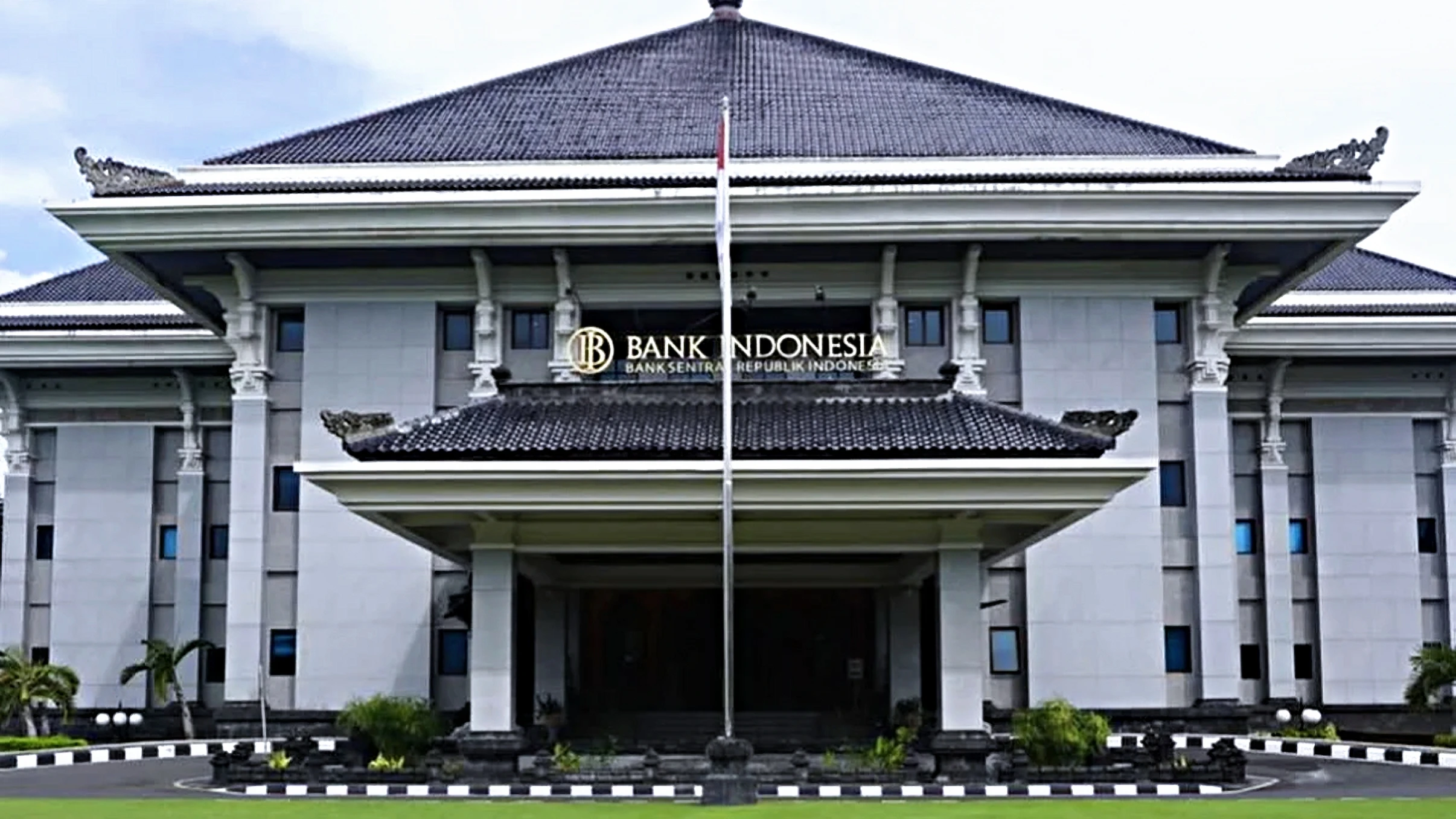
DENPASAR, DEWATA.NEWS – Foreign exchange transactions in Bali recorded an increase throughout 2025, in line with the continued growth of international tourist arrivals, according to Bank Indonesia (BI).
BI data shows that by October 2025, foreign tourist visits to Bali rose by approximately 11–12 percent year-on-year, while transactions through licensed non-bank money changers, known as Kegiatan Usaha Penukaran Valuta Asing Bukan Bank (KUPVA BB), grew by around 10 percent.
Advisor at the Bali Provincial Representative Office of Bank Indonesia, Indra Gunawan Sutarto, said the rise in foreign exchange transactions remains closely linked to the increase in international visitors, although the pace of transaction growth has been slightly lower.
“Overall, the correlation remains very strong, ranging between 0.86 and 0.9. This means that when foreign tourist arrivals increase, foreign exchange transactions also tend to rise,” Indra said on Thursday (8/1).
However, BI has observed changes in tourist spending behavior while in Bali. The slower growth in foreign exchange transactions compared to visitor numbers is believed to be influenced by the wider range of payment methods now used by tourists.
“Tourists no longer rely solely on cash. Many now use credit cards, debit cards, QRIS, and other digital payment channels. This digitalization has affected transaction patterns,” he explained.
In addition to digital payments, BI is also monitoring other factors that could impact foreign exchange transactions. One of these is the potential use of crypto assets as a means of payment, although BI has not yet identified concrete data on such practices.
“If crypto were found to be used as a payment instrument, we would take action, as the only legal means of payment in Indonesia is the rupiah,” Indra emphasized.
Another concern highlighted by BI is the presence of illegal money changers offering more attractive exchange rates but carrying a high risk of fraud. Such practices may divert transactions away from licensed money changers to unregulated channels.
“There is a possibility that tourists choose illegal money changers because they appear faster and cheaper, despite the higher risks involved. This can also affect official transaction figures,” he said.
Despite these challenges, BI assesses that overall foreign exchange transaction performance in Bali remains on a positive trajectory and continues to reflect the broader recovery of the tourism sector. Going forward, BI plans to strengthen supervision of licensed money changers while continuing to promote safe and compliant payment systems.