
DENPASAR, DEWATA.NEWS – The Bali Natural Resources Conservation Agency (BKSDA) has introduced updated tariffs for video and photography activities in Nature Tourism Parks (TWA) across Bali, in accordance with Government Regulation No. 36 of 2024.
Under the regulation, videography for commercial purposes, including product advertisements, service advertisements, music videos, films, dramas, television series, FTV productions, web dramas, and reality shows is subject to a fee of IDR 10 million for Indonesian citizens (WNI) and IDR 20 million for foreign nationals (WNA).
Photography used for tour packages, magazines, product advertisements, service promotions, and similar commercial purposes is set at IDR 2 million for WNI and IDR 5 million for WNA.
Meanwhile, video shoots and pre-wedding photography sessions are charged IDR 1 million for WNI and IDR 3 million for WNA.
Drone usage in National Parks, Nature Tourism Parks, and Wildlife Reserves is subject to a separate fee of IDR 2 million for both WNI and WNA.
Head of BKSDA Bali, Ratna Hendratmoko, explained that the provisions on Non-Tax State Revenue (PNBP) are regulated under Government Regulation No. 36 of 2024 concerning PNBP applicable to the Ministry of Environment and Forestry, as well as Minister of Forestry Regulation No. 12 of 2025.
“BKSDA Bali, as a technical unit under the Directorate General of Natural Resources and Ecosystem Conservation at the Ministry of Forestry, is mandated to collect, receive, and deposit non-tax state revenue in the field of biological natural resource and ecosystem conservation, including environmental service utilization in nature tourism and the sustainable use of flora and fauna,” Hendratmoko said.
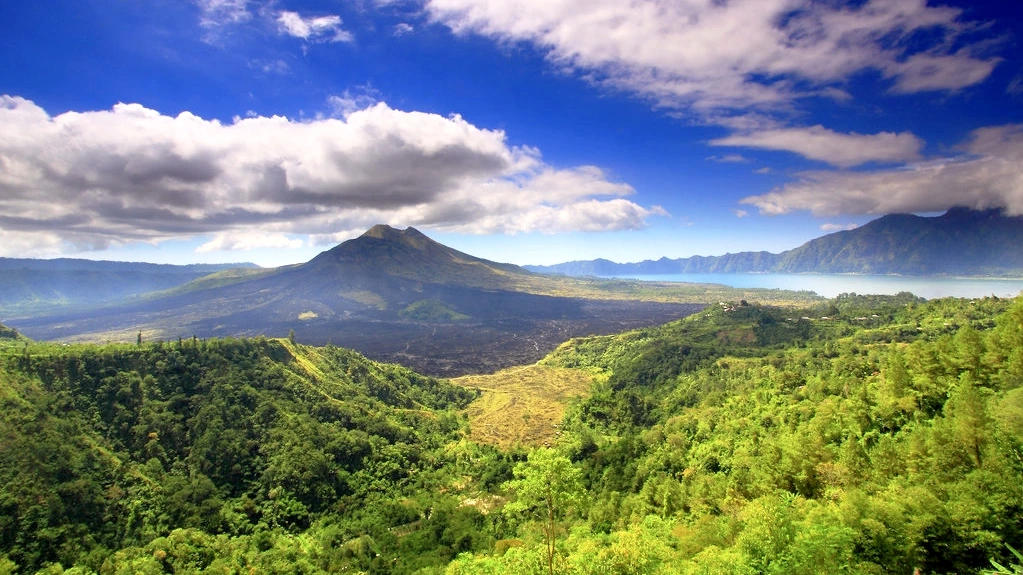
BKSDA Bali manages five conservation areas covering a total of 6,284.36 hectares. These include Batukaru Nature Reserve (1,773.80 hectares), Buyan–Tamblingan Nature Tourism Park (1,847.38 hectares), Sangeh Nature Tourism Park (13.91 hectares), Mount Batur Bukit Payang Nature Tourism Park (2,075 hectares), and Penelokan Nature Tourism Park (574.27 hectares).
According to Hendratmoko, conservation areas under BKSDA Bali play a strategic role in biodiversity protection and ecosystem preservation, as outlined in Law No. 5 of 1990 on Conservation of Natural Resources and Ecosystems, recently updated by Law No. 32 of 2024.
The management framework is based on three conservation pillars: protection of life-support systems, preservation of plant and wildlife diversity along with their ecosystems, and sustainable utilization of biological resources.
Protection measures focus on preventing habitat destruction, illegal encroachment, and poaching. Preservation efforts aim to maintain ecological balance and support scientific research and long-term conservation initiatives. Sustainable utilization includes environmentally responsible tourism development, environmental education, and community involvement without disrupting ecological functions.
“BKSDA Bali is committed to balanced, harmonious, and responsible management of conservation areas, ensuring environmental preservation while allowing sustainable use,” she added.
In addition to tourism-related environmental services in Nature Tourism Parks, other activities permitted within conservation forest areas, subject to obtaining a Conservation Area Entry Permit (SIMAKSI), include research and development, education, commercial and non-commercial filmmaking, documentary production, expeditions, and journalism.