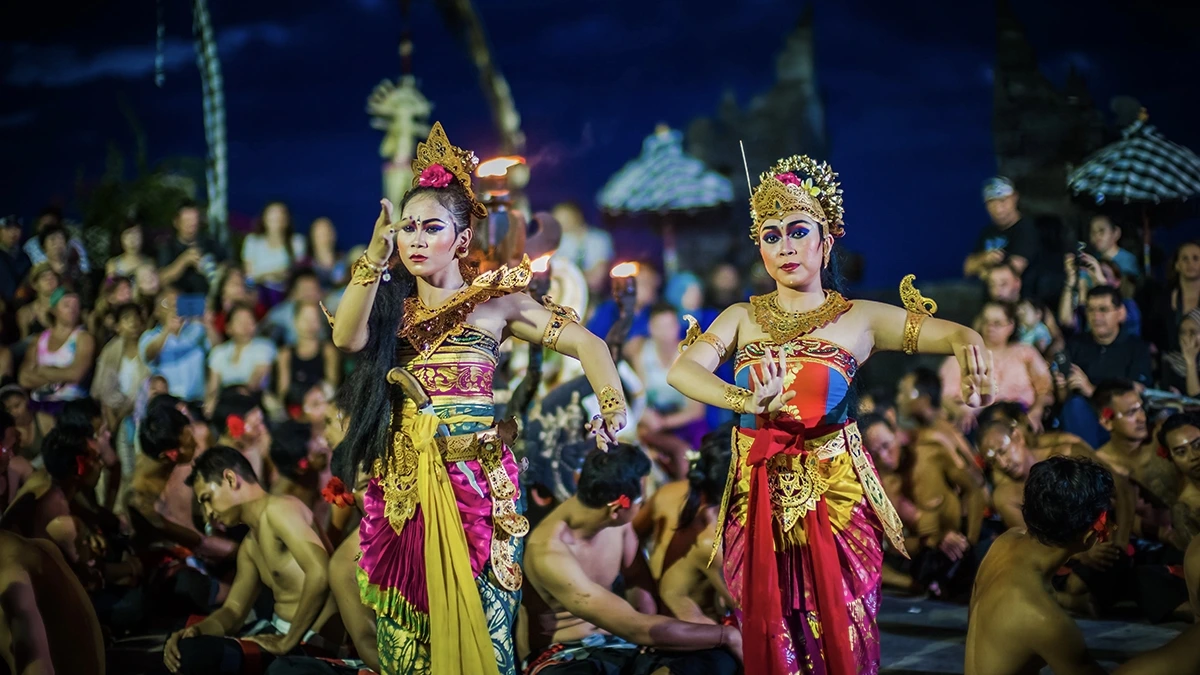
The Bali Provincial Government has officially launched the Calendar of Events (CoE) 2026, outlining a year-long schedule of cultural festivals, sports events, exhibitions, and public activities planned across various parts of the island. The calendar is intended as a time-based reference to help readers understand the pattern and distribution of officially scheduled activities in Bali throughout 2026.
The 2026 Calendar of Events lists a total of 56 activities, comprising 40 cultural events, seven sports events, two MICE events, one fashion event, four music events, and two culinary events. The program is coordinated by the Bali Provincial Tourism Office in collaboration with regency and city governments, along with relevant stakeholders.
Official Calendar Overview
The Calendar of Events (CoE) 2026 is compiled and coordinated by the Bali Provincial Tourism Office as the official annual schedule of tourism-related and public activities throughout 2026. The calendar serves as a shared reference for local governments, tourism stakeholders, community groups, and related parties in planning and aligning activities across the island.
The 2026 Calendar of Events includes a total of 56 activities distributed across all regencies and cities in Bali. Cultural events make up the largest portion of the calendar, reflecting Bali’s identity as a destination strongly rooted in tradition and year-round cultural activities.
Overall, the Calendar of Events 2026 consists of 40 cultural events, 7 sports events, 2 MICE events, 1 fashion event, 4 music events, and 2 culinary events. All listed activities form part of the official provincial calendar and are intended as a time-based reference for public events scheduled in Bali throughout the year.
Purpose of the 2026 Calendar
The Calendar of Events 2026 is designed to support Bali’s tourism development approach, which emphasizes balance between tourism activities, cultural preservation, and environmental sustainability. All events listed in the annual calendar are intended to respect local customs and cultural values while reinforcing Bali’s identity as a destination known not only for its natural appeal but also for its social and cultural depth.
In addition, the Calendar of Events 2026 aims to encourage a more even distribution of visitor activity throughout the year and across different regions of Bali. By spreading events more evenly over time and location, the provincial government seeks to reduce concentration in specific periods or areas, allowing social and economic benefits to be shared more broadly among communities across the island.
Events by Month (2026)
This section presents an overview of activities listed in the 2026 Calendar of Events, organized by month. The chronological structure is intended to provide a general picture of the timing and distribution of public events scheduled to take place in Bali throughout the year. The information is presented as a time-based reference, without recommendations or travel guidance, allowing readers to better understand the annual rhythm of events across the island.
February – International Maritime and Cultural Activities

Activities listed in the 2026 Calendar of Events begin in February with the 6th Multilateral Naval Exercise held at Benoa Port. This international-scale event brings together naval forces from multiple countries to strengthen maritime cooperation, maritime security, and international relations.
In addition to non-combat naval exercises, the program also includes supporting activities such as maritime exhibitions, cultural showcases, and artistic performances involving local communities. The event positions Bali as a host for international cooperation initiatives while integrating global maritime engagement with local cultural elements.
March – Nyepi-Related Traditions and Cultural Festivals
March in the 2026 Calendar of Events is largely shaped by a series of cultural activities and traditions associated with Nyepi, Bali’s Day of Silence, and the Balinese New Year. Throughout the month, various cultural events are held across the island as part of the annual ritual cycle that carries strong spiritual and social significance for local communities.
Activities listed for March include the Buleleng International Rhythm Festival in North Bali, which features cross-cultural music performances, as well as Kesanga Fest 2026 in Denpasar, a cultural festival organized ahead of Nyepi. The Ogoh-Ogoh Parade in Denpasar takes place on the eve of Nyepi as part of the purification ritual symbolizing the cleansing of negative elements, alongside the Lukat Geni ceremony in Paksebali Village, Klungkung, which is also conducted prior to the holy day.
Post-Nyepi traditions continue with Omed-Omedan in Sesetan Village, Denpasar, held one day after Nyepi as a symbol of communal harmony and self-purification. In North Bali, the Buleleng Ethno Carnival highlights youth creativity through fashion and cultural expression, while also contributing to cultural preservation and regional tourism development.
April – Arts, Wellness, and Public Exhibitions
The April schedule in the 2026 Calendar of Events includes a range of activities related to arts, wellness, and public exhibitions held across Bali. Events during this period reflect the diversity of cultural, community-based, and creative industry activities taking place throughout the month.
One of the listed events is the Bali Spirit Festival in Ubud, which features yoga, meditation, music, and performing arts activities with participation from practitioners and instructors from various countries. In East Bali, the Semarapura Festival is organized in Klungkung to mark the anniversary of Semarapura City, presenting cultural parades, traditional art performances, and community activities involving local MSMEs and residents.
Toward the end of the month, Food, Hotel & Tourism Bali (FHTB) is held in the Nusa Dua area as a trade exhibition bringing together stakeholders from the food and beverage, hospitality, and tourism industries. The event serves as a business and information exchange forum and forms part of Bali’s official public event calendar for 2026.
May – Sports Events, Culinary Festivals, and Tourism Exhibitions
The May schedule in the 2026 Calendar of Events features a combination of international-scale sports activities, culinary festivals, tourism exhibitions, and community-based cultural celebrations. Events during this period take place across various parts of Bali, reflecting the diversity of public activities held in the mid-year period.
One of the key events in May is BTR Ultra, an international trail running event conducted across Bali’s mountainous and rural landscapes. The event adopts an eco trail running concept, combining endurance sports with the appreciation of natural environments and local values. Toward the end of the month, the Ubud Food Festival is held in Ubud as an annual culinary celebration highlighting Indonesian flavors alongside global culinary influences through cooking demonstrations, discussions, and food markets.
In addition, Bali & Beyond Travel Fair (BBTF) takes place in Nusa Dua as a major tourism exhibition bringing together industry stakeholders from Indonesia and abroad for business meetings and destination promotion. Cultural activities also feature in May through the Gianyar Kite Festival, which showcases the creativity of traditional Balinese kite-making as part of cultural preservation and community expression.
June – Major Cultural Festivals and Creative Industry Events
June represents one of the busiest periods in the 2026 Calendar of Events, featuring a wide range of art festivals, cultural celebrations, film events, and community activities held across Bali. The month highlights June’s role as a key moment for artistic expression, local traditions, and creative industry activities at both national and international levels.
Early June activities include the Bali International Film Festival (Balinale) in Denpasar, which showcases works by local and international filmmakers through film screenings, panel discussions, and filmmaking workshops. Around the same period, the Bali Wellness & Beauty Expo in Sanur presents innovations in health, beauty, and holistic lifestyles, bringing together wellness industry players, health practitioners, and local MSMEs. In Ubud, Ubud Open Studios opens artists’ studios to the public, offering insight into the creative processes of local and international visual artists.
Traditional cultural events also feature prominently in mid-June, including the Tenganan Pegringsingan Culture Festival in Karangasem, which highlights the Pandan War (mekare-kare) tradition, customary rituals, and exhibitions of Gringsing textiles unique to the Bali Aga community. During the same period, the Bali Arts Festival (Pesta Kesenian Bali) XLVII begins at the Taman Werdhi Budaya Art Centre in Denpasar. As Bali’s largest annual arts festival, it runs into July and presents dance and music performances, theater, visual art exhibitions, and various cultural programs.
Several regional celebrations are also scheduled in June, such as the Semarak Pandawa Festival at Pandawa Beach, combining performing arts, cultural parades, and community activities, as well as the Karangasem Festival, held to mark the anniversary of Amlapura City. Toward the end of the month, the Mekotek tradition in Munggu Village, Badung, takes place in conjunction with Kuningan Day as a ritual symbolizing the victory of dharma over adharma, a tradition that continues to be preserved as part of the local cultural heritage.
July – Village Festivals, Contemporary Arts, and Cultural Celebrations
July in the 2026 Calendar of Events features a series of village festivals, contemporary arts programs, and culture-based activities held across different parts of Bali. The month highlights the interaction between local traditions, modern artistic expression, and the use of cultural spaces connected to community life and the natural environment.
In central Bali, the Penglipuran Village Festival takes place in Penglipuran Traditional Village, Bangli, presenting customary parades, traditional games, Balinese dance and music performances, and local MSME exhibitions set within the village’s traditional spatial layout. In Denpasar, the Bali Jani Festival is held as a celebration of contemporary Balinese arts, featuring theater, music, contemporary dance, literature, visual arts, film, and art installations, while providing a platform for both emerging and established artists.
Culture and nature-based activities are also reflected in the Jatiluwih Festival, organized in the Jatiluwih rice terrace area, a UNESCO World Heritage site through traditional art performances, acoustic music in natural settings, MSME exhibitions, and educational activities related to the Subak irrigation system. In North Bali, the Lovina Festival is held in the coastal area of Lovina, Buleleng, showcasing cultural parades, artistic performances, boat races, and coastal-themed music and culinary activities that draw on the region’s maritime character.
International participation is present in July through the Bali International Choir Festival (BICF) in Denpasar, which brings together choirs from various countries for competitions and cultural exchange. Traditional community-based activities are further represented by the Rare Angon Festival, a kite competition focused on preserving traditional kite culture and cultural heritage through creativity in design and flying techniques.
August – Music Festivals, Sports Events, and Community Traditions
August in the 2026 Calendar of Events features a diverse lineup of music festivals, international-scale sports events, and community-based cultural traditions held across Bali. Activities during this month reflect the combination of artistic expression, athletic competition, and the preservation of local traditions that characterize the mid-year period.
Music and arts activities include the Ubud Village Jazz Festival in Ubud, which presents jazz performances by national and international musicians alongside educational programs and community-based activities. In North Bali, the Buleleng Festival takes place in the Singaraja area as a cultural celebration emphasizing local identity and the continuity between history, culture, and sustainable development.
International sporting events also feature prominently in August, including the Maybank Marathon in Gianyar, which offers long-distance running routes through rural landscapes and natural scenery across Bali. Nature-based sports activities are further represented by the Medewi Boardriders Challenge at Medewi Beach, Jembrana, bringing together surfers from various categories while also showcasing local creative economy products.
Cultural and community celebrations continue with the Tanah Lot Art and Food Festival, combining art performances and culinary activities at the iconic Tanah Lot area, and the Makepung Bupati Cup in Jembrana, a traditional buffalo racing event that serves as a symbol of regional identity and cultural heritage. In Denpasar, the Denpasar Kite Festival adds to the August calendar through kite competitions highlighting creative design and long-standing cultural traditions.
September – Cultural Performances, International Exhibitions, and Creative Industries
September in the 2026 Calendar of Events features a combination of cultural performances, international-scale exhibitions, and creative industry activities held across various parts of Bali. The month reflects the intersection of tradition, innovation, and cross-sector public engagement within the island’s annual event landscape.
Cultural activities include the Taman Ayun Barong Festival, which highlights the tradition of Barong as an iconic form of Balinese performing arts. The festival presents Barong parades, dance and traditional music performances, as well as educational activities introducing the philosophy and craftsmanship behind Barong, alongside participation from local MSMEs. In western Bali, the Jembrana Cultural Parade is held as a celebration of regional arts and traditions, involving community members through traditional performances, customary attire, and cultural displays unique to the area.
International-scale activities are represented by the Bali International Airshow at Ngurah Rai Airport, showcasing aerial demonstrations, civil and military aircraft exhibitions, and aviation technology innovations from various countries. The event brings together aviation industry stakeholders, government representatives, and aviation enthusiasts, forming part of Bali’s international public event agenda.
Creative and lifestyle-based activities further complement September’s schedule, including the Lembongan Surf and Music Festival in Nusa Lembongan, which combines surfing competitions with music performances and local creative economy exhibitions. In North Bali, the Buleleng Fashion Festival presents fashion collections by local designers featuring traditional textiles, regional motifs, and environmentally friendly materials, reflecting the development of culture-based creative industries in the region.
October – Heritage Festivals, Literature, and Coastal Traditions
October in the 2026 Calendar of Events features a series of cultural festivals, literary gatherings, coastal activities, and sports events held across different parts of Bali. The month highlights efforts to preserve cultural heritage, promote intellectual exchange, and connect local traditions with the island’s natural environment.
In the island regencies, the Nusa Penida Festival is held as an annual celebration featuring cultural parades, traditional dances, boat races, MSME exhibitions, local cuisine, and music performances along the coastline. In East Bali, the Klungkung Heritage Festival takes place at the Ida Dewa Agung Jambe Monument, presenting cultural parades showcasing traditional Klungkung performing arts, alongside entertainment programs and participation from local craft and culinary MSMEs. Cultural traditions are further represented by the Gebug Seraya Festival in Karangasem, which features the Gebug Ende ritual symbolizing strength, courage, and prayers for safety ahead of the planting season, accompanied by traditional performances and community activities.
International-scale cultural exchange is reflected in the Ubud Writers & Readers Festival, held in Ubud, bringing together writers, journalists, artists, and readers from around the world through literary discussions, book launches, workshops, and artistic performances. Coastal and environmental themes are also present in October through the Tulamben Ocean Harmony Festival, which highlights coastal traditions, performing arts, and marine conservation activities in the Tulamben area.
In addition to cultural and environmental events, October includes a sports agenda through the Bali Hockey Festival in Badung, bringing together hockey athletes from various regions and countries for competitions, training sessions, and community development activities. Overall, October reflects a diverse range of public events linking cultural heritage, creativity, environmental awareness, and community participation across Bali.
November – Coastal Festivals, Traditional Competitions, and Community Celebrations
November in the 2026 Calendar of Events is marked by a series of coastal festivals, agrarian traditions, and community-based cultural celebrations held across North, West, East, and South Bali. Activities during this month highlight the relationship between environmental conservation, cultural heritage, and active community participation.
In North Bali, the Pemuteran Bay Festival is organized as a celebration combining marine conservation activities, environmental education, and traditional art performances. The festival includes coral reef restoration initiatives, cultural exhibitions, and marine tourism activities involving local communities and visitors. In West Bali, agrarian traditions are represented through Makepung Lampit, held in muddy rice field arenas, and the Makepung Jembrana Cup, a traditional buffalo racing competition that has become one of the cultural icons of the region.
Cultural and spiritual celebrations are also featured through the Ulun Danu Festival at Lake Beratan, Tabanan, which presents gebogan parades as expressions of gratitude for agricultural harvests. In Jembrana, the Jembrana Jegog Festival showcases traditional jegog music, a distinctive bamboo gamelan unique to West Bali, accompanied by artistic collaborations and participation from local MSMEs. In South Bali, the Sanur Village Festival takes place as a community celebration of arts, culture, cuisine, and coastal activities, involving creative communities and environmental programs.
The November agenda concludes with the Goa Lawah Festival in Klungkung Regency, which integrates spiritual values, coastal culture, and youth creativity. Rooted in the sacredness of Goa Lawah Temple, the festival features customary processions, traditional arts, and environmental education activities that emphasize the harmonious relationship between people, nature, and local culture.
December – Year-End Cultural Festivals and Urban Celebrations
December concludes the 2026 Calendar of Events with a series of cultural festivals, music celebrations, and city-based activities that reflect Bali’s artistic, creative, and community life toward the end of the year. Events during this period are largely centered around coastal areas and urban public spaces.
In South Bali, the Pandawa Beach Festival is held in the Pandawa Beach area as an annual celebration highlighting local cultural expressions and community-based arts in a coastal setting. Music-focused activities also feature in December through the Bali Rockin’ Blues Festival, which brings together rock and blues music enthusiasts with performances by local and international musicians, alongside community activities, culinary offerings, and MSME participation.
As the closing event of the annual calendar, the Denpasar Festival takes place in Denpasar City as a platform for showcasing arts, culture, and creative expressions. The festival presents traditional and modern performances, exhibitions of MSME and creative economy products, and public entertainment activities, reinforcing Denpasar’s role as a creative urban center rooted in local cultural values.
Reference Notes
The 2026 Calendar of Events serves as an annual reference outlining officially scheduled public activities across Bali throughout the year. While the calendar provides a general overview of timing and distribution, specific event details, schedules, and implementations may change in accordance with official announcements from organizers and local authorities.
This article is intended to offer contextual information for readers seeking to understand the annual rhythm of events in Bali, rather than as a travel guide or recommendation. Future editions of the Calendar of Events will be published as separate annual references to maintain clarity and archival accuracy.