
BADUNG, DEWATA.NEWS – Hotels, restaurants, and cafés across Bali could face strict sanctions, including permit suspension and possible criminal charges, if they continue failing to comply with waste management regulations, Indonesia’s Ministry of Environment has warned.
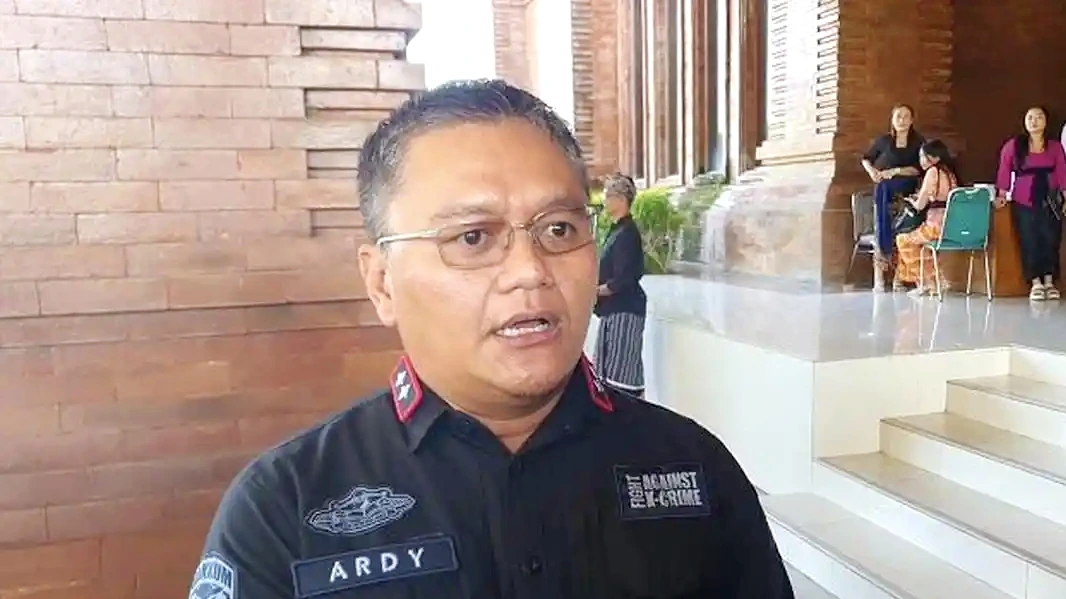
The warning was delivered by Ardyanto Nugroho, Director of Complaints, Supervision, and Administrative Sanctions under the Ministry’s Environmental Law Enforcement Directorate, following a coordination meeting on tourism-based waste management in Badung Regency on Thursday (May 7, 2026).
According to the ministry, compliance levels among Bali’s horeca sector hotels, restaurants, and cafés remain critically low despite ongoing environmental regulations targeting tourism businesses.
“The level of compliance among horeca businesses in Bali regarding waste management regulations remains very low. Almost all businesses inspected are still not complying with the applicable waste management rules,” Ardyanto said.
Authorities stated that administrative sanctions are currently being processed against multiple tourism businesses, particularly in Badung Regency, one of Bali’s largest tourism centers.
The Ministry of Environment said the government is pushing for a major shift in Bali’s waste handling strategy by focusing on waste processing at the source rather than relying heavily on landfills.
“Our target is that only 10 percent of waste should end up at Suwung Landfill or any landfill in Bali. The remaining 90 percent must be managed and resolved directly at hotels, restaurants, and cafés,” Ardyanto explained.
The policy forms part of a broader national effort ordered by the Indonesian government to address environmental issues in tourism destinations.
Officials revealed that environmental enforcement teams have so far inspected around 500 tourism-related businesses out of a target of 1,300 horeca entities across Bali.
Of those inspections, 401 businesses are located in Badung Regency.
According to the ministry, several businesses have already received formal administrative sanctions, while additional cases remain under review.
Authorities warned that businesses failing to comply after receiving recommendations may face escalating penalties, including business permit suspension that could halt hotel or restaurant operations entirely.
The ministry also stated that criminal proceedings remain possible under Article 114 of Indonesia’s Environmental Protection and Management Law No. 32 of 2009, which carries a maximum prison sentence of one year for violations.
While the enforcement policy applies nationally, officials emphasized that Bali has become a priority area due to mounting concerns over tourism-related waste and environmental pressure.
The central government said it will continue coordinating with local authorities to strengthen enforcement and improve waste management practices in Bali’s tourism sector.