
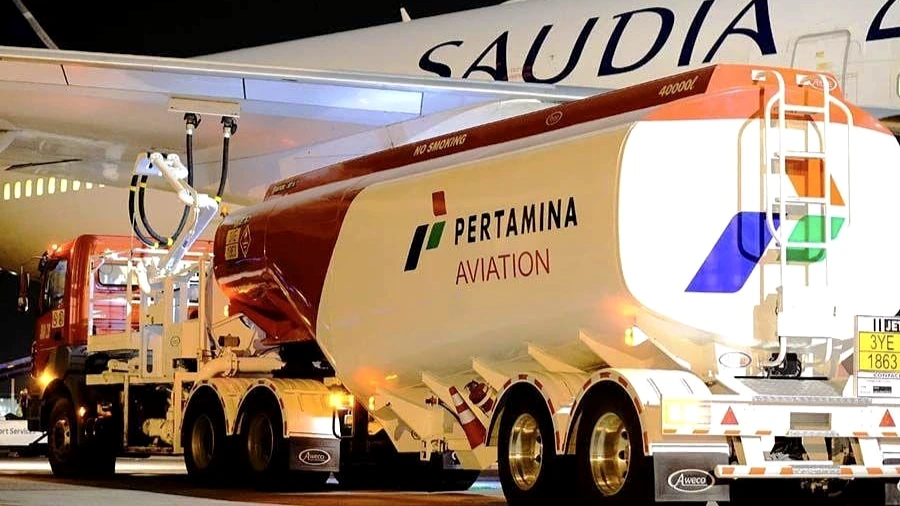
DENPASAR, DEWATA.NEWS – Indonesia is adjusting its tourism strategy by focusing more on travelers from Asia and Oceania, as rising aviation fuel prices continue to push up airfares globally.
Vice Minister of Tourism Ni Luh Puspa said the increase in jet fuel costs has impacted airline ticket prices not only in Indonesia but also in other countries earlier, prompting a shift toward closer international markets.
“We are shifting our target market to Asia and Oceania. By focusing on short-haul and medium-haul markets, we aim to sustain international tourist arrivals to Indonesia,” she said on Friday (April 17).
To maintain competitiveness, the government is strengthening digital promotion efforts and encouraging bundled travel packages that combine flights, accommodation, and attractions.
Authorities have also introduced measures to manage rising travel costs. Airfares are currently regulated within an increase range of around 9 to 13 percent, while airlines are given flexibility on fuel surcharges of up to 38 percent. Additional support includes government-covered value-added tax (VAT) in certain components.
“We aim for a balanced solution where airlines remain sustainable while travelers can still afford to travel despite moderate price increases,” Puspa added.
The government is also intensifying collaboration with tourism industry players to ensure travel products remain attractive.
“We continue to coordinate with the industry, including promoting bundled travel packages so people still have strong incentives to travel,” she said.
At the same time, officials are observing a gradual shift toward domestic land travel, supported by improving inter-regional infrastructure across Java, Sumatra, Kalimantan, and Sulawesi.
“Improved road connectivity is opening more opportunities for inter-provincial travel by land, which can help maintain domestic tourism movement,” she explained.
The strategy reflects Indonesia’s broader effort to adapt to global cost pressures while sustaining both international and domestic tourism demand.